Understanding the psychological triggers behind gambling behavior
The allure of gambling
The excitement and thrill that come with gambling are significant psychological triggers that captivate many individuals. The adrenaline rush experienced during high-stakes betting can create a powerful association between risk and reward. This rush activates the brain’s pleasure centers, often leading individuals to chase that feeling repeatedly, even when the odds are not in their favor. For many, engaging in online pokies offers an enticing digital alternative that taps into this experience.

Additionally, the ambiance of gambling establishments, such as bright lights, engaging sounds, and the presence of other players, can enhance this allure. Such environments create a social atmosphere that can amplify feelings of euphoria and community, compelling individuals to gamble more frequently as they seek social validation and connection.
The role of cognitive biases
Cognitive biases play a crucial role in shaping gambling behavior. For example, the illusion of control can lead players to believe that they can influence outcomes in games of chance. This belief can stem from experiences where players have had a winning streak, reinforcing the idea that skill plays a part in their success, despite the inherent randomness of many gambling activities.
Moreover, the availability heuristic often leads individuals to overestimate the frequency of wins, as high-profile winners receive significant media attention. This can distort perceptions of reality, making gambling seem more favorable than it truly is. These cognitive distortions can result in a dangerous cycle of chasing losses and increased risk-taking. Gambling often seduces players into making decisions driven by their perceptions rather than actual probabilities.
The impact of emotional factors
Emotions significantly influence gambling behavior, with many individuals turning to gambling as a form of escapism. Stress, anxiety, and depression can lead people to seek out the excitement of gambling as a means to cope with their feelings. This emotional escape may provide temporary relief, but it often leads to a cycle of dependency as individuals rely on gambling to manage their emotional state.
Furthermore, feelings of euphoria and happiness can also drive gambling behavior. Winning can create a temporary boost in mood, reinforcing the desire to gamble again. This emotional rollercoaster can be addictive, leading to increased risk-taking and a higher likelihood of developing gambling problems.
The influence of social factors
Social influences play a significant role in gambling behavior, as peer pressure and societal norms can impact an individual’s decision to gamble. Many individuals begin gambling due to the encouragement of friends or family, often viewing it as a social activity. This social acceptance can create a sense of belonging that drives individuals to engage in gambling, even if they have reservations.
Additionally, the portrayal of gambling in popular culture can glamorize the activity, further influencing behavior. Movies, television shows, and advertisements often depict gambling as an exciting and glamorous lifestyle, leading individuals to aspire to that image. This societal narrative can overshadow the potential risks associated with gambling, promoting a culture that normalizes and even celebrates gambling behavior.
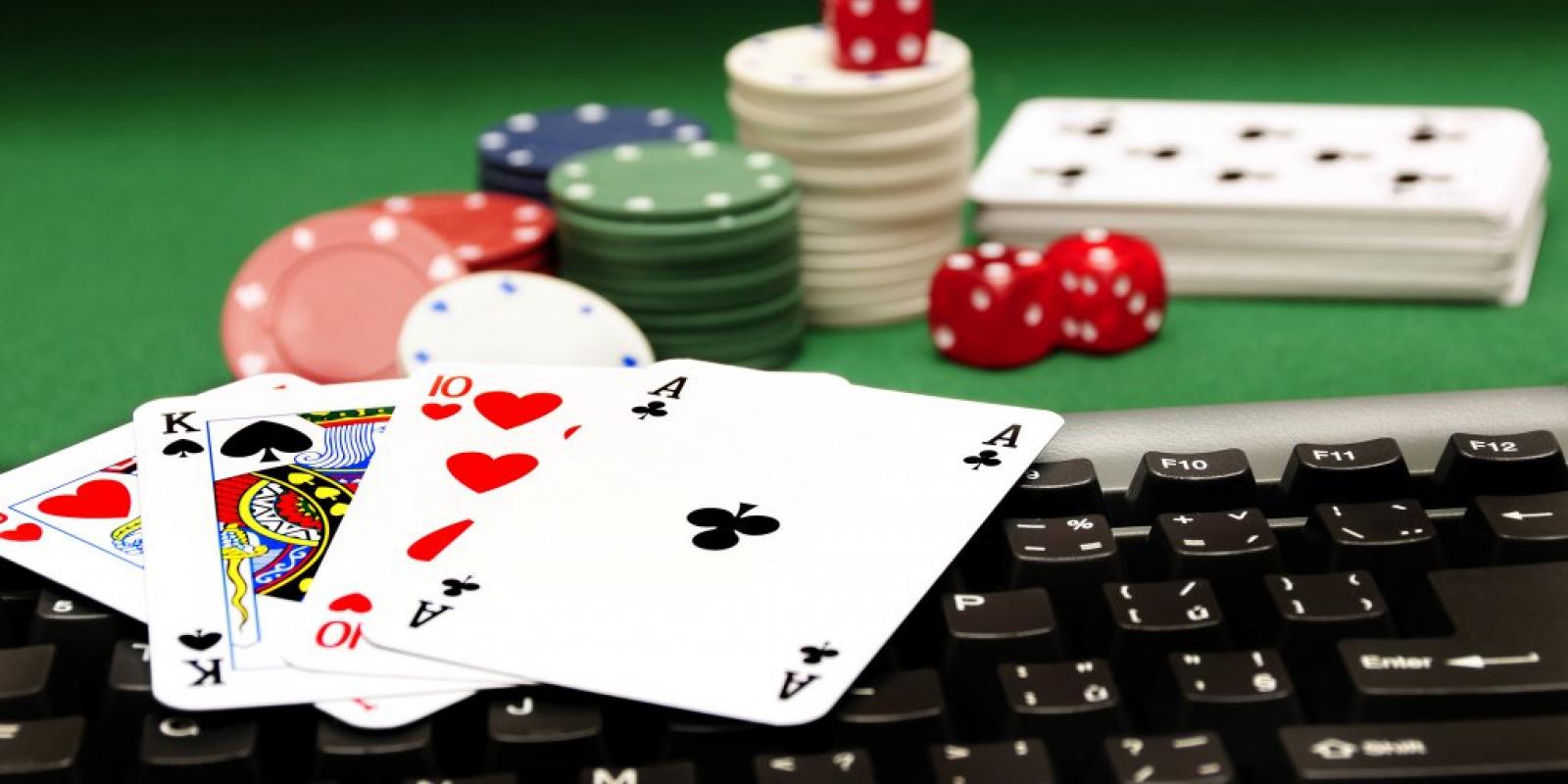
Exploring further at our website
For those interested in delving deeper into the psychological aspects of gambling behavior, our website offers a wealth of resources and information. We explore the various triggers and influences that affect gambling decisions, providing insights that can help individuals understand their behavior better.
Additionally, we provide support and guidance for those seeking help with gambling-related issues. By fostering awareness and understanding, we aim to create a more informed community that can address the complexities of gambling and its psychological triggers effectively.