The psychological impact of gambling on decision-making and risk perception
The Psychology of Gambling
The psychological aspects of gambling play a significant role in how individuals make decisions and perceive risk. Gambling can activate reward pathways in the brain, leading to feelings of excitement and anticipation. This response can overshadow rational thought, causing players to chase losses or overestimate their chances of winning. Understanding these psychological triggers is essential for recognizing how they influence behavior in gambling contexts, especially at Jackpot Jill Casino.

Moreover, cognitive biases such as the illusion of control can further complicate decision-making. Gamblers often believe they can influence random outcomes through skill or strategy, which heightens their engagement and commitment to risky bets. This distorted perception leads to irrational choices, amplifying the potential for negative consequences.
Decision-Making Processes in Gambling
Decision-making in gambling often diverges from traditional rational models. Emotional responses can dominate the thought process, leading players to make impulsive bets. This impulsivity is exacerbated in high-stakes situations where the potential for loss induces panic, clouding judgment. In such scenarios, individuals might gamble more to compensate for previous losses, creating a vicious cycle of poor decision-making.
The presence of social factors can also impact decision-making. Peer pressure or the social environment of casinos can lead to heightened risk-taking behaviors. Individuals may be more likely to gamble aggressively when surrounded by others, influenced by the excitement and energy of the moment, regardless of their usual risk tolerance.
Risk Perception and Gambling
Gambling alters an individual’s perception of risk, often leading to an underestimation of potential negative outcomes. This phenomenon is commonly observed in players who focus on short-term wins while ignoring long-term losses. The excitement of immediate rewards can distort risk evaluation, prompting individuals to overlook the statistical realities of their actions.
Furthermore, the availability heuristic plays a role in shaping risk perception. Gamblers might overestimate their chances of winning based on personal success stories or anecdotal evidence, neglecting the broader context of odds and probabilities. This can create an environment where individuals feel overly confident in their decision-making, further skewing their understanding of risk.
The Role of Addiction in Gambling Behavior
Gambling addiction is a significant concern that intensifies the psychological impact on decision-making and risk perception. Individuals with gambling disorders often exhibit impaired judgment and an inability to control their impulses. The compulsion to gamble can override rational thought, leading to risky behavior and severe financial consequences.
Additionally, the emotional rollercoaster associated with gambling addiction can foster a sense of desperation. When players face mounting losses, they may take greater risks to recover their funds, reinforcing the cycle of addiction. A deeper understanding of these addictive behaviors is crucial for developing effective support and intervention strategies.
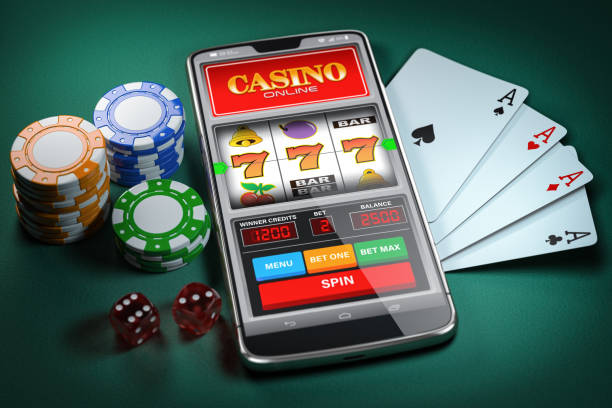
Jackpot Jill: A Responsible Gaming Environment
Jackpot Jill, an online casino designed for Australian players, emphasizes a commitment to responsible gambling. With a diverse selection of games, the platform offers players an opportunity to enjoy gaming in a safe environment. This approach includes comprehensive support systems and resources that promote responsible decision-making.
By prioritizing player welfare, Jackpot Jill fosters an engaging gaming experience while encouraging individuals to understand their limits. With features like fast payouts and user-friendly banking options, the site ensures that players can enjoy their gaming experience responsibly, balancing entertainment with a focus on mental well-being.