The cultural significance of casinos in modern society
The Evolution of Casinos
Casinos have undergone a significant transformation from their early days, originally serving as places for social gatherings and entertainment. Historically, they have roots that trace back to ancient civilizations where gambling was often tied to social rituals and community bonding. The evolution continued as casinos became increasingly commercialized in the 19th and 20th centuries, particularly in Europe and later in the United States, leading to a structured environment for both leisure and financial engagement. You can explore more about this engaging experience here.

In modern society, casinos have diversified their offerings, incorporating not just gaming but also extensive entertainment options such as shows, concerts, and fine dining. This multifaceted approach has enabled them to attract a broader demographic, from high rollers looking for serious gambling to families seeking recreational activities. This evolution reflects changing societal values around leisure and social interaction, making casinos a focal point of community entertainment.
Moreover, the rise of online casinos has expanded this cultural significance further. Virtual platforms like GameTwist allow individuals to engage in casino-style gaming without the constraints of traditional environments. This digital evolution indicates a cultural shift towards online interaction, where social elements play a crucial role even in virtual spaces, mirroring the communal aspects of physical casinos.
The Role of Casinos in Social Interaction
Casinos serve as unique venues for social interaction, transcending mere gambling to become spaces of community gathering. They provide an informal setting where people from various backgrounds can come together, facilitating connections and relationships. This aspect of socialization is critical, as it helps break down barriers, allowing individuals to engage in shared experiences, whether through playing games, attending events, or enjoying meals together.
The social dynamics of casinos are further enhanced by features such as tournaments and leaderboard competitions. These elements foster a sense of camaraderie and friendly rivalry among players, enhancing the overall experience. The ability to communicate and collaborate with friends, as seen on platforms like GameTwist, has further solidified the casino’s role in fostering social ties, where the emphasis is not only on winning but also on the collective experience of gaming. The GameTwist casino experience is particularly noteworthy for its engaging social elements.
Additionally, casinos often support local communities through employment opportunities and tourism. They attract visitors, which benefits local businesses, and often engage in corporate social responsibility initiatives. This relationship creates a symbiotic environment where casinos can bolster community identity and pride while being perceived as more than mere gambling establishments.
Economic Impact of Casinos
The economic significance of casinos in modern society cannot be understated. They contribute significantly to local and national economies through job creation, tourism revenue, and taxation. Jobs generated by casinos range from gaming positions to hospitality and administrative roles, providing livelihoods for thousands. This job creation is often vital in areas where employment options may be limited, highlighting the positive economic footprint of the industry.
Tourism is another major area where casinos impact the economy. Many cities, particularly those known for their casinos like Las Vegas and Atlantic City, thrive on the influx of tourists drawn by the promise of entertainment and gaming. This influx generates substantial revenue for hotels, restaurants, and other local attractions, enhancing the overall economic ecosystem. In essence, casinos are not just entertainment venues; they are economic powerhouses that contribute to a thriving tourism industry.
Furthermore, the tax revenue generated from casinos is often directed towards public services, including education, infrastructure, and healthcare. This allocation of funds helps to improve community welfare, showcasing how casinos play a vital role in the financial fabric of society. By contributing to local projects and initiatives, casinos enhance their cultural significance beyond mere entertainment, reinforcing their status as key players in the economic landscape.
Casinos and Cultural Representation
Casinos have also become cultural symbols, representing glamour, excitement, and a break from the mundane. Movies and television shows have often romanticized casino life, portraying it as a world of luxury and thrill. This representation has significantly shaped public perception, drawing individuals who seek escapism or a taste of the high-stakes lifestyle that casinos embody.
The cultural significance extends beyond entertainment; casinos often reflect societal changes and trends. For example, the integration of technology within gaming environments, like virtual and augmented reality, speaks to a broader cultural shift towards digital engagement. This melding of traditional and modern practices in casinos showcases how these establishments adapt to and influence cultural trends, making them relevant in contemporary society.
Moreover, casinos can serve as venues for cultural events, including art exhibitions, music festivals, and culinary fairs, further enriching their cultural tapestry. By hosting such events, casinos become platforms for artistic expression and cultural exchange, fostering a deeper connection with the community. This engagement demonstrates how casinos can play a role in cultural representation and dialogue, enhancing their significance beyond gaming.
The Future of Casinos in Society
As we look to the future, casinos are poised to evolve in response to changing societal norms and technological advancements. The increasing popularity of online gaming platforms, such as GameTwist, indicates a shift towards digital engagement, where users can enjoy the casino experience from the comfort of their homes. This change reflects broader trends in how people socialize and consume entertainment, suggesting that casinos will need to adapt to maintain their relevance.
Furthermore, there is a growing emphasis on responsible gambling and social responsibility within the casino industry. As concerns about gambling addiction and its societal implications rise, casinos are beginning to implement measures to promote safe gaming practices. This proactive approach could shape the industry’s future, ensuring that casinos continue to contribute positively to society while offering entertainment.
In conclusion, the cultural significance of casinos in modern society is multifaceted, encompassing social interaction, economic impact, cultural representation, and future adaptations. As they continue to evolve, casinos will remain integral to community life, reflecting and shaping the values and desires of society.
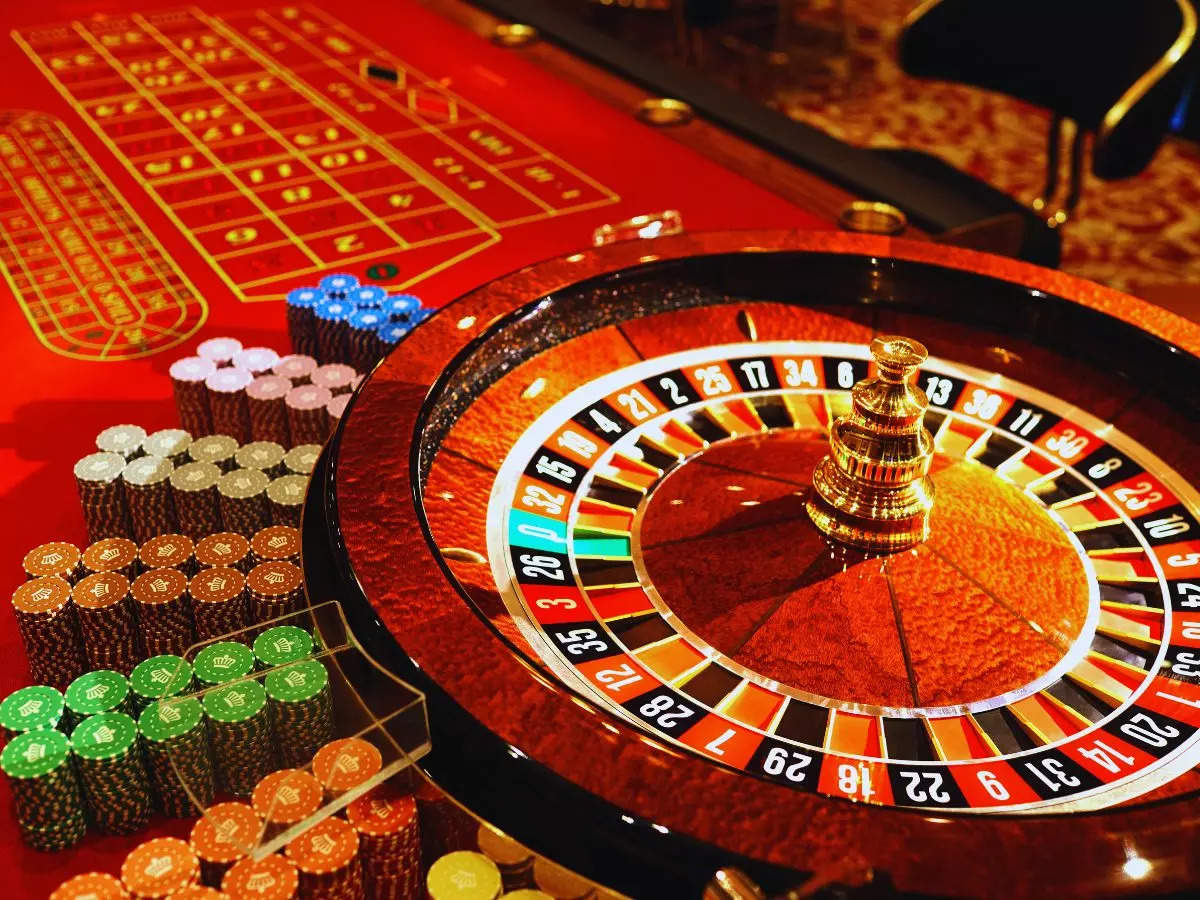
The GameTwist Experience
GameTwist offers a unique entry point into the world of casinos without the associated pressures of real-money gambling. By providing a social casino platform where players can engage in a variety of games using virtual currency, it emphasizes fun and community engagement. The absence of financial stakes allows individuals to enjoy the casino atmosphere in a relaxed setting, making it an attractive option for beginners. Game Twist casino captures this spirit perfectly with its vibrant community.
This platform fosters social connections through leaderboards and friend lists, allowing users to share their experiences and achievements in a vibrant community. This social aspect mirrors traditional casinos, where interaction plays a significant role in the overall experience. The ability to connect with others makes GameTwist not only an entertainment option but also a space for building friendships and camaraderie.
Overall, GameTwist exemplifies the evolving landscape of casinos, highlighting how modern technology can enhance traditional gaming experiences while promoting a sense of community. It stands as a testament to the continuing cultural relevance of casinos in today’s society, making them accessible and enjoyable for all.