Tanzania’s Mineral Wealth and Its Economic Potential
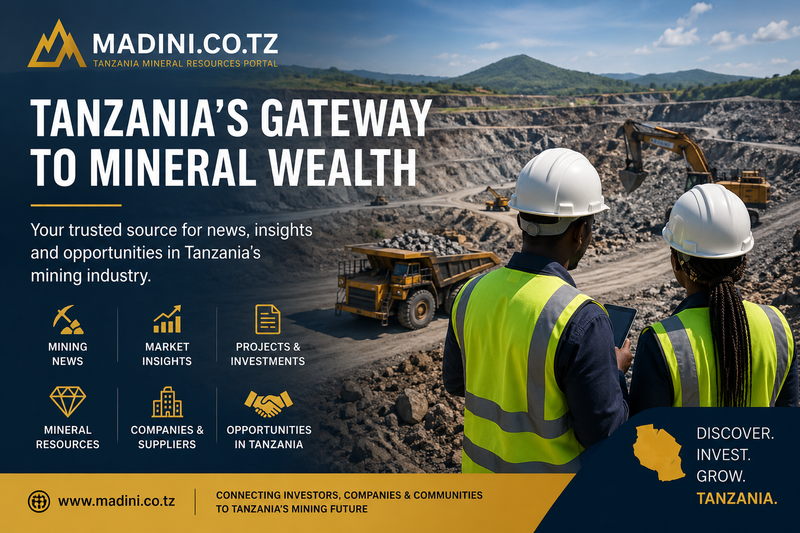 Gold production in Tanzania. Tanzania is one of the leading gold producers in Africa, with a rich history of gold mining dating back to the early 19th century. The country is endowed with abundant mineral resources, including gold, which has played a significant role in the country economy. Gold production in Tanzania has been steadily increasing over the years, with the country gold mines producing millions of ounces of gold annually. The country gold reserves are estimated to be one of the largest in the world, with vast untapped potential for further exploration https://madini.co.tz/ and development. The mining industry in Tanzania is regulated by the government through the Ministry of Energy and Minerals, which oversees the licensing and regulation of mining activities in the country. The government has put in place strict regulations to ensure that mining companies operate in a responsible and sustainable manner, with a focus on environmental protection and community engagement. One of the largest gold mining companies in Tanzania is Acacia Mining, which operates three gold mines in the country. The company is a subsidiary of Barrick Gold Corporation, one of the largest gold mining companies in the world. Acacia Mining employs thousands of Tanzanians and contributes significantly to the country economy through taxes, royalties, and local procurement. In recent years, there have been concerns raised about the impact of gold mining on the environment and local communities in Tanzania. Some environmental groups have criticized mining companies for their use of toxic chemicals, such as cyanide, in the extraction process, which can have a negative impact on water quality and wildlife. To address these concerns, the Tanzanian government has introduced stricter regulations on the use of chemicals in gold mining and has implemented measures to ensure that mining companies comply with environmental standards. The government has also stepped up efforts to monitor and enforce compliance with environmental regulations, with penalties for companies found to be in violation. In addition to environmental concerns, there have also been issues raised about the social impact of gold mining in Tanzania. Some communities living near gold mines have expressed concerns about land displacement, loss of livelihoods, and lack of benefits from mining activities. To address these social issues, mining companies in Tanzania are required to engage with local communities through social responsibility programs, including community development projects, job training, and infrastructure development. Companies are also required to pay royalties to the government, which are used to fund social programs and infrastructure projects in mining communities. Despite these challenges, gold production in Tanzania continues to be a major contributor to the country economy, providing jobs, revenue, and foreign exchange earnings. The government is committed to promoting responsible and sustainable mining practices to ensure that the benefits of gold mining are shared equitably among all stakeholders. Overall, gold production in Tanzania plays a crucial role in the country economy, providing jobs, revenue, and investment opportunities. With proper regulation and oversight, the industry has the potential to contribute to sustainable economic development and poverty reduction in Tanzania.