
Mastering Forex Swing Trading: Strategies and Insights
Forex swing trading is a popular trading style that many traders leverage to maximize their profits by capitalizing on short- to medium-term price movements. Unlike day trading, which requires constant monitoring of the market, swing trading allows traders to hold positions for several days or even weeks, making it an attractive option for those who cannot dedicate all their time to trading. In this article, we will explore the fundamentals of Forex swing trading, effective strategies, and essential tips to help you navigate the foreign exchange market successfully. For more insights and resources, visit forex swing trading https://latam-webtrading.com/.
Understanding Forex Swing Trading
Swing trading involves capturing short to medium-term price movements based on technical analysis. The primary goal is to enter a trade at the right time and exit with a profit as the market swings from one price level to another. Swing traders rely on technical indicators, price patterns, and market trends to determine the most favorable entry and exit points.
Key Characteristics of Swing Trading
1. **Time Frame**: Swing traders typically focus on higher time frames, such as daily or four-hour charts, compared to day traders who work with minute charts.
2. **Position Duration**: Swing trades can last from a few days to several weeks, allowing traders to ride the price movements without frequent monitoring.
3. **Risk Management**: Effective risk management is crucial in swing trading to protect against sudden market reversals. Traders often use stop-loss orders to limit potential losses.
4. **Market Analysis**: Swing traders analyze both fundamental and technical factors that affect currency prices, aiming to identify trends and reversals.
Essential Swing Trading Strategies
Successful swing trading requires a well-defined strategy. Here are some effective strategies to consider:
1. Trend Following
This strategy involves identifying and following the direction of the prevailing trend. Traders look for price confirmation signals, such as higher highs and higher lows in an uptrend or lower highs and lower lows in a downtrend. Indicators like moving averages can help identify the trend direction.
2. Breakout Trading
Breakout trading focuses on entering a position when the price breaks through a key support or resistance level. Once a breakout occurs, it often leads to significant price movements, making it an attractive opportunity for swing traders. Traders watch for increased volume during the breakout to confirm the validity of the move.
3. Retracement Trading
This strategy involves entering a trade during a price retracement within an established trend. Swing traders look for price corrections against the trend to enter positions at a better price. Fibonacci retracement levels, pivot points, and support/resistance zones can assist in identifying possible entry points for retracement trades.
4. Candle Pattern Recognition
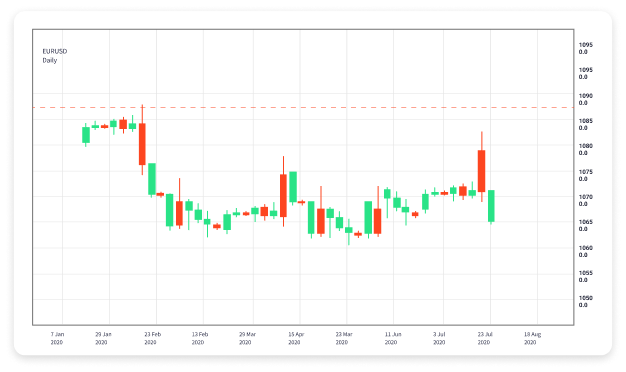
Swing traders often use candlestick patterns to make trading decisions. Patterns like engulfing, hammer, and doji can signal potential reversals or continuation of trends. Recognizing these patterns in conjunction with other technical indicators can improve the accuracy of trading signals.
Risk Management in Swing Trading
Proper risk management is vital in swing trading to protect your capital and sustain long-term success. Here are some key strategies:
1. Use Stop-Loss Orders
Implementing stop-loss orders helps cap your losses if the market moves against your position. Determine your risk tolerance and set stop-loss levels accordingly, ideally placing them just beyond key support or resistance levels to allow for normal price fluctuations.
2. Maintain a Risk-to-Reward Ratio
Swing traders should strive for a favorable risk-to-reward ratio, aiming for at least a 1:2 ratio—meaning for every dollar risked, the potential reward should be at least two dollars. This approach helps ensure that even if some trades result in losses, the overall profitability remains intact due to the larger winning trades.
3. Diversify Your Trades
Diversification helps mitigate risk by spreading trades across different currency pairs or asset types. This way, if one trade performs poorly, others may compensate and lead to a more stable overall portfolio outcome.
Tools and Resources for Swing Traders
Utilizing the right tools and resources can greatly enhance a swing trader’s effectiveness:
1. Charting Software
Advanced charting software provides swing traders with critical technical analysis capabilities. Look for platforms with customizable indicators, chart types, and drawing tools that suit your trading style.
2. Economic Calendars
Economic calendars keep traders informed about major economic announcements that may impact currency prices. Being aware of these events allows traders to avoid potential volatility spikes or prepare for trading opportunities.
3. Educational Resources
Continuous learning is essential for improving trading skills. Consider attending webinars, reading trading books, or joining online trading communities to share insights and strategies with fellow traders.
Conclusion
Forex swing trading offers traders a unique opportunity to profit from market movements without the need for constant monitoring. By understanding the fundamentals, employing effective strategies, and practicing sound risk management, traders can harness the potential of swing trading to achieve their financial goals. Remember, ongoing education and adaptation to changing market conditions are key components of long-term success in the Forex market. Embrace the journey of swing trading and enjoy the rewards it has to offer!